
Through a 154,000+ hectare (ha) landscape restoration initiative in Kenya, we aim to safeguard biodiversity, strengthen local livelihood options, and enhance climate resilience, ensuring the conservation of inland and coastal ecosystems for future generations.
Mangrove forests around the world are at the frontlines of climate change and community resilience. Drivers of forest degradation, such as unsustainable wood harvesting, El Niño flooding, and agricultural expansion have led to 14,400 hectares of mangrove and 112,000 hectares of inland coastal forest loss. The mangroves of Lamu County hold 60% of Kenya’s mangrove forest cover and provide important ecosystem services on a local and global scale.
Mangrove forest systems in this region have supported the economy for centuries, with fishing communities receiving an estimated 70% of their income from Lamu’s natural fisheries. Beyond the intertidal zone, the inland forests support mangroves by capturing freshwater into streams and groundwater that support mangrove forests. They also serve as critical habitats for wildlife movement, including endangered species such as the hirola and Ader’s duiker, rare antelopes.
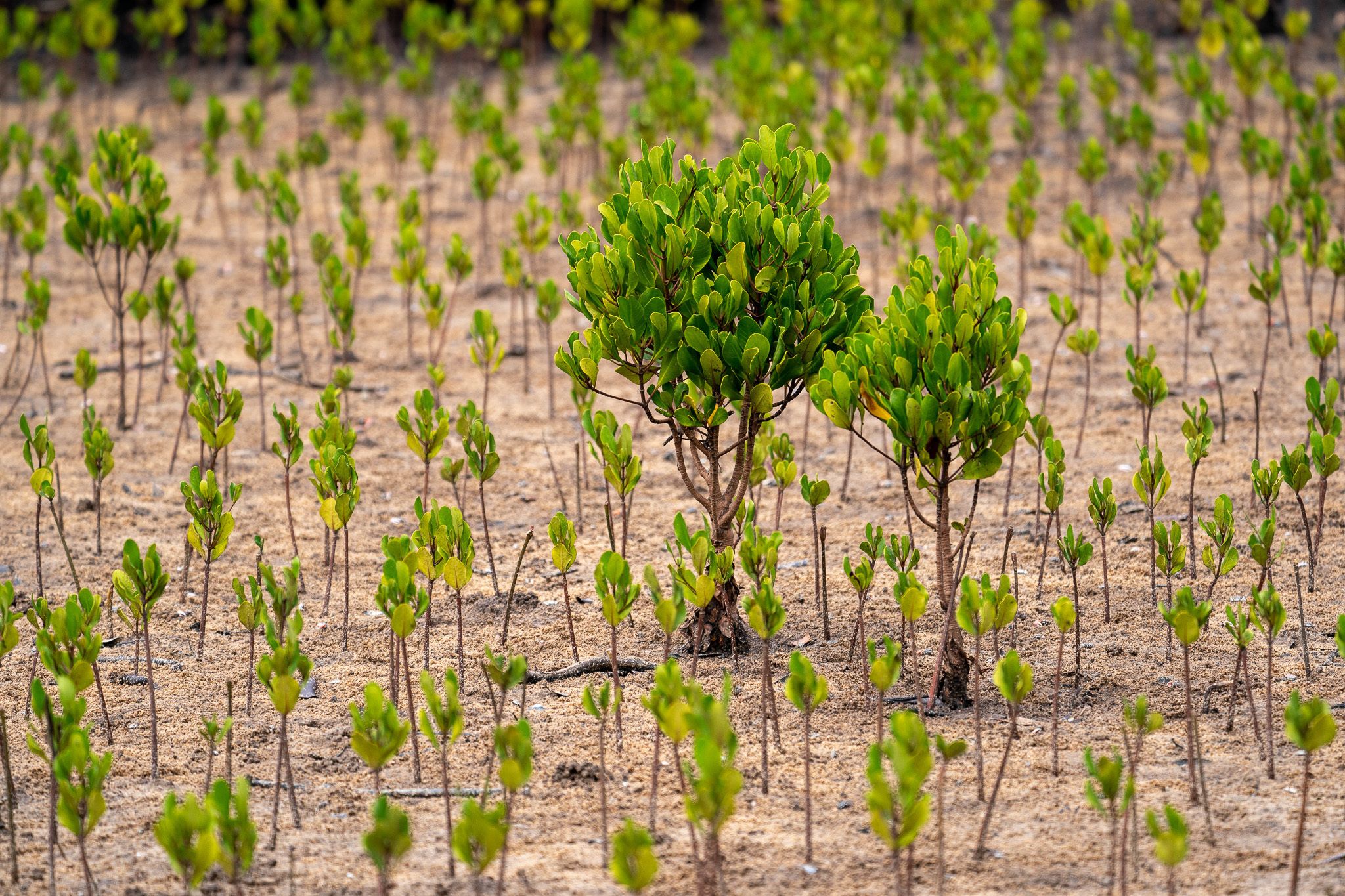
Since 2020, Eden has collaborated with Kenya Forest Service and local Community Forest Associations to restore and protect mangrove and coastal inland forests in Lamu County.
Our work in Lamu has created some early landscape restoration wins, preparing us to broaden our long-term impact. To do this, we are co-developing a 15-20 year holistic landscape restoration initiative designed to address drivers of deforestation and improve local livelihoods. This approach encompasses:
The effectiveness of our initiative in Lamu is rooted in collaboration, underscoring the importance of collective support and action from local stakeholders, government institutions, and community organizations. By working together, we can make a transformative impact over the next 15 years by creating substantial benefits for communities and the environment, including: